If I Got the Flu Already Will I Get It Again
7 Mutual Flu Myths Debunked
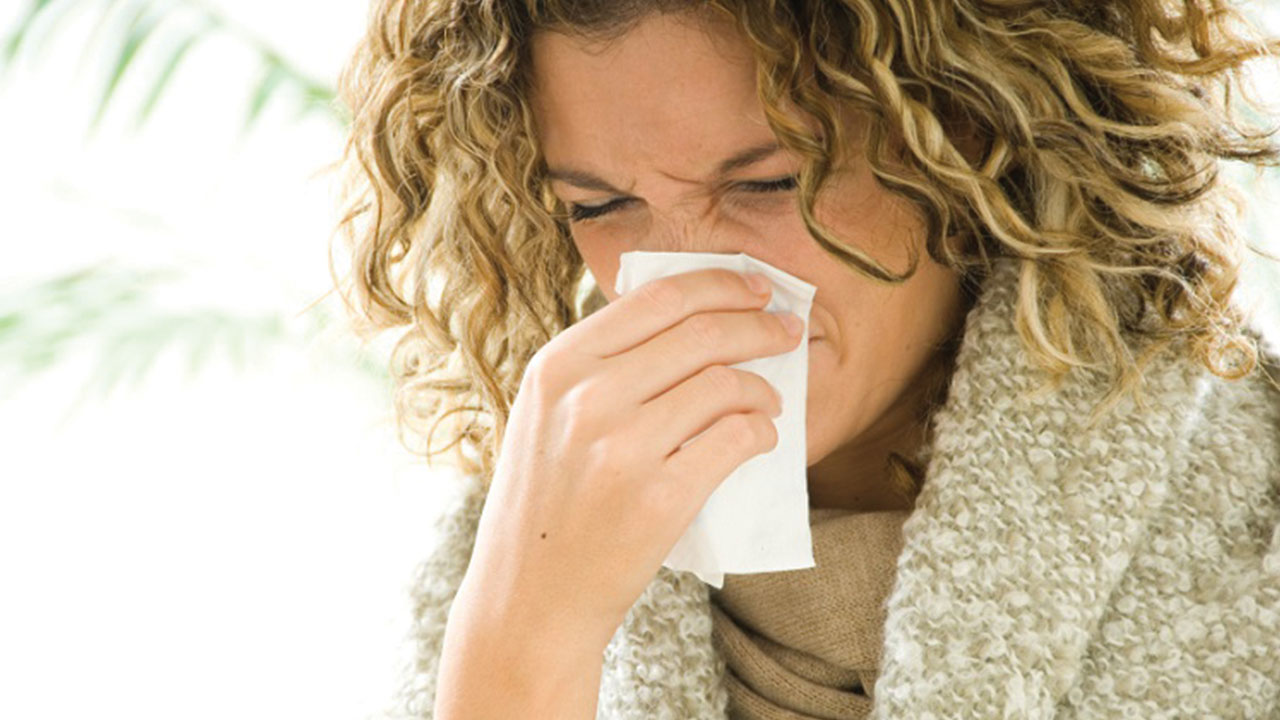
Each year, the Centers for Illness Control and Prevention (CDC) estimates that between iii and 11 percent of Americans go sick from the flu. Some people but feel mild symptoms, merely many others develop complications of the flu, some of which can be mortiferous. Considering influenza is so widespread and manifests differently in different people, myths nearly the influenza abound. Is what you hear true, or is there too much misinformation floating around? Debunk the 7 nearly common myths about influenza.
Myths About the Flu
- "Getting Vaccinated Can Give You lot the Flu"
According to the National Foundation for Infectious Diseases, there is no way the vaccine can make you sick. Vaccines only comprise a weakened or inactivated grade of the influenza virus, which cannot infect you. The truth is that people oftentimes mistake the side effects of the vaccine for the illness itself. Side effects of inoculation may experience like mild symptoms of the flu, but soreness around the injection site is typically the only symptom people experience. Continue in mind that flu season (which more often than not lasts from October to March) coincides with a time of yr when germs that crusade colds and other respiratory illnesses are in the air. It is possible to get the vaccine so get sick with a completely unrelated cold virus inside a few days. - "At that place Is No Treatment for the Influenza"
In that location are iv FDA-approved antiviral drugs that are highly effective confronting the flu. Tamiflu (oseltamivir) is bachelor in pill and liquid form, Relenza (zanamivir) comes in powder form, which is inhaled, Rapivab (peramivir) is administered intravenously, and Xofluza (baloxavir marboxil) is available in pill form. While these antiviral medications do non cure the viral infection, they can minimize symptoms, reduce the amount of time y'all are sick by one or two days, and make you less contagious to others. Furthermore, early handling can forestall complications of the flu, like pneumonia, which can be particularly dangerous for older adults. It's best to take these drugs within 48 hours of getting sick, so do non hesitate to make a doctor's engagement if you or a loved one have symptoms of the influenza. - "Antibiotics Tin Fight the Flu"
Antibiotics just fight bacterial infections. Since influenza is a virus, antibiotics accept no consequence. Furthermore, overuse and misuse of antibiotics tin effect in reduced effectiveness against the bacteria they are actually intended to kill and even cause "superbugs" that are entirely resistant to these treatments. - "You Can't Become the Flu More Than Once During Flu Flavour"
Yous can certainly contract the flu more than than once a year because at that place are many different strains of the flu virus. There are 2 master types of flu, Type A and Type B, and at that place are also many different subtypes of each. Information technology is possible that you lot could get infected with 1 strain and then another during a given flavor, especially if yous haven't been vaccinated and/or have a compromised immune arrangement. - "If Yous're Young and Healthy, You Don't Need to Get the Flu Vaccine"
The CDC recommends that everyone over 6 months of historic period get vaccinated each flavour. Healthy adults are simply as susceptible to the virus as other demographics, and vaccination is the best way to prevent the flu. If you are caring for an aging loved one, but getting them vaccinated only provides some protection. You and other family members should also get the vaccine to avert endangering their wellness and the health of other vulnerable individuals. - "Cold Atmospheric condition Causes the Influenza"
The flu virus actually circulates and infects people yr-circular. Opposite to pop conventionalities, going outside during winter without bundling up does non directly increase your risk of getting sick. Influenza peaks in fall and winter for a few different reasons. Scientists speculate that the flu virus thrives in cooler, low-humidity environments. Of form, during the colder months, people tend to spend more time cooped upwards indoors, making it easier for the virus to spread from person to person. Furthermore, less time spent outside means that near people feel drops in vitamin D production during winter that can weaken the immune organisation. All these factors contribute to the timing of influenza season, which is the same throughout the whole country, even in warmer states similar Florida. - "If You Haven't Gotten a Flu Shot by November, It's Too Tardily"
Flu season oftentimes peaks betwixt December and Feb, merely the timing tin can vary. Some years heightened flu activity has lasted until May. No matter how late it is, if you lot have not been vaccinated yet, go go it washed. You lot could spare yourself and your family a great deal of misery.
The Facts: How to Foreclose Seasonal Flu
Influenza spreads from person to person, often through droplets in the air, and you can pass on the infection even before you brainstorm feeling symptoms. An infected individual is also contagious for several days later on the onset of symptoms. Infection can stalk from a contagious person near you cough, sneezing or talking, or fifty-fifty from touching a surface that the virus is on, similar a telephone or doorknob, and then touching your mouth or olfactory organ.
To avoid contracting and spreading the virus, employ the following tips:
- Clean your easily regularly with soap and water or an alcohol-based mitt sanitizer. This is especially important subsequently yous affect a sick person, common surfaces, used tissues or dirty laundry.
- Individuals with the influenza should cover their mouths and noses with a tissue when cough and sneezing to avoid spreading the virus to others.
- Immediately throw away tissues and other disposable items used by an infected person.
- Once diagnosed, talk to a healthcare provider about taking antiviral medication to preclude the virus from spreading to other family members, coworkers or friends.
- Go on high-traffic surfaces like bedside tables, bathroom surfaces, doorknobs and children'due south toys make clean past regularly wiping them downward with a household disinfectant.
- Do not share eating utensils, dishes or cups with a sick person. These items do not need to be cleaned separately, but they should not be shared without washing thoroughly first.
- Wash linens (such as bed sheets and towels) past using household laundry detergent and tumble dry on a hot setting. Apply a handbasket to transport laundry prior to washing to preclude contaminating yourself.
- Avoid touching your eyes, nose and rima oris to minimize the likelihood of contracting the flu and other viral infections.
gearyyourstrather.blogspot.com
Source: https://www.agingcare.com/articles/flu-myths-and-facts-142979.htm
0 Response to "If I Got the Flu Already Will I Get It Again"
Post a Comment